Luma Game Guide
How to Play the Popcorn Game
A clear rules guide for the ball-and-clap game, classroom Popcorn, and the separate Pass the Popcorn movie board game.
Quick answer
Quick Answer: The Ball-and-Clap Rules
Stand in a circle or give each player a clear space. Toss a soft ball or scarf straight up, clap once, and catch it. If you catch successfully, add one clap on your next attempt. A miss ends that attempt; use either “repeat the same number” for practice or “reset to one” for a competitive round. The winner is the player with the highest agreed score or the group that reaches the target together.
- Players: one person, a partner, or a circle of players.
- Equipment: one soft ball, beanbag, scarf, or light plastic bag.
- Goal: complete more claps before the object lands without dropping it.
“Popcorn game” can refer to more than one activity. This guide starts with the ball-and-clap version: toss a soft object, clap before it comes down, and try to increase your count. It also labels the classroom number game and Mattel’s Pass the Popcorn movie game separately so you can use the rules that match your group.
The ball version needs almost no equipment and works best as a short coordination challenge. Agree on the scoring or reset rule before the first turn, then keep the object soft, the throwing height comfortable, and the play area clear.
Official play video
This video comes from Playworks’ public activity page. If your browser blocks third-party players, the written rules above are complete.
How to Play One Turn
Start with the object in one hand and enough space to look up without stepping into another player. Toss it to a comfortable height, clap the required number of times, and catch it with the same or opposite hand. The first attempt is usually one clap. After a successful catch, increase the target by one clap on the next attempt. Each player gets one toss per turn when you are playing in a group.
- Keep the toss vertical rather than throwing it across the circle.
- Watch the object, not the clapping hands, during the final moment before the catch.
- If the object drifts, move your feet first instead of reaching across another player.
Scoring, Misses and Reset Choices
There is no single universal scorecard for the ball version, so choose one format before playing. In a best-score round, record the highest number of completed claps on one catch and give everyone the same number of attempts. In a steady-practice round, a player keeps trying the same target until they catch it, then moves up by one. For a fast group challenge, a dropped object or an incomplete catch can reset the next player to one clap.
- Fair solo test: three attempts, highest completed clap count wins.
- Cooperative target: the group tries to reach a shared number without rushing.
- Use a visible timer only when every player gets the same time and object.
Classroom and Drama Popcorn Variation
A different activity also called Popcorn is played without a ball. Players sit silently in a circle and stand one at a time while saying consecutive numbers: 1, 2, 3, and so on. The order must be unpredictable rather than moving around the circle. If two people stand or speak at the same time, everyone sits and the count restarts at one. This version measures listening and group timing, not catching skill.
- Set the goal as “get everyone standing” or record the highest number reached.
- Allow only the next number in the sequence; avoid side conversations.
- For an extension, have the group clap once together after a collision, then restart.
Do Not Mix It Up with Pass the Popcorn
Mattel’s Pass the Popcorn is a separate movie-clue board game. It uses movie cards and face-up tiles; a reader reveals clues, players guess only when they hold the matching clue tile, and a correct guess turns that tile face down. The first player to turn down all tiles wins the round, and the official rules use a four-tile round to finish the game. Do not use those product rules for the ball or classroom activity.
- Ball Popcorn: toss, clap, catch, and build a personal count.
- Classroom Popcorn: stand and say numbers through non-verbal coordination.
- Pass the Popcorn: identify movies from clues using the commercial game components.
Safer Equipment and Easier Variations
Use a scarf or light plastic produce bag when beginners need more hang time. A beanbag is easier to retrieve than a bouncing ball, while a foam ball is a good choice for a larger room. Lower the target to one or two claps, let players catch with two hands, or allow a bounce-free practice round before counting scores. Stop if the activity becomes uncomfortable or the space is too crowded.
- Keep faces and fragile objects out of the throwing lane.
- Do not use hard, wet, or heavy objects as substitutes.
- For younger players, prioritize a controlled catch over a high clap count.
Five-Minute Printable Version
For a quick session, choose one object, one target, and one reset rule. Give each player three turns: start at one clap, add one after a successful catch, and record the best result. End with one cooperative round where everyone attempts the same target. The printable rules sheet linked above keeps the setup, turn sequence, reset options, and safety reminder on one page.
- Minute 1: explain and demonstrate one clap plus a safe catch.
- Minutes 2–4: play three equal turns per person.
- Minute 5: compare scores or try one shared group target.
Featured Picks
Each recommendation opens a browser player from its detail page with no download required.
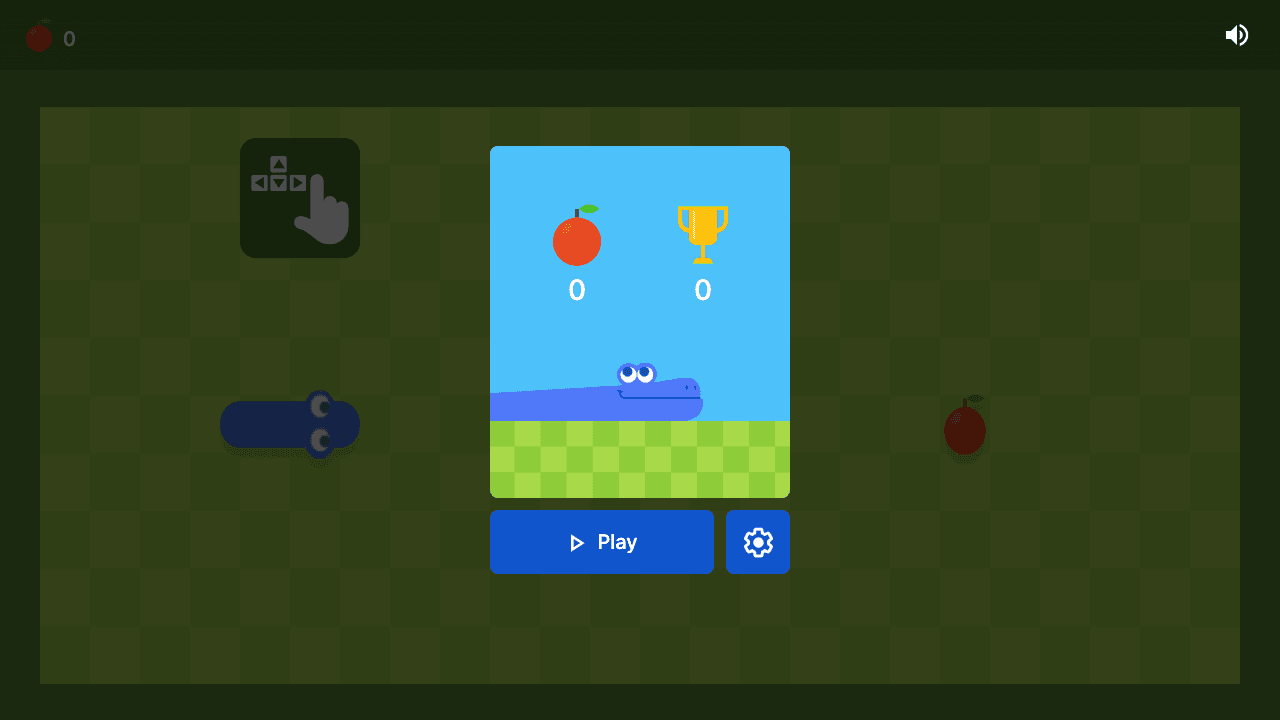
Google Snake
Google Snake is a classic snake-style browser game built around route planning. The score improves when you think one turn ahead and keep escape lanes open.
A quick solo browser challenge when you want a score chase without physical equipment.
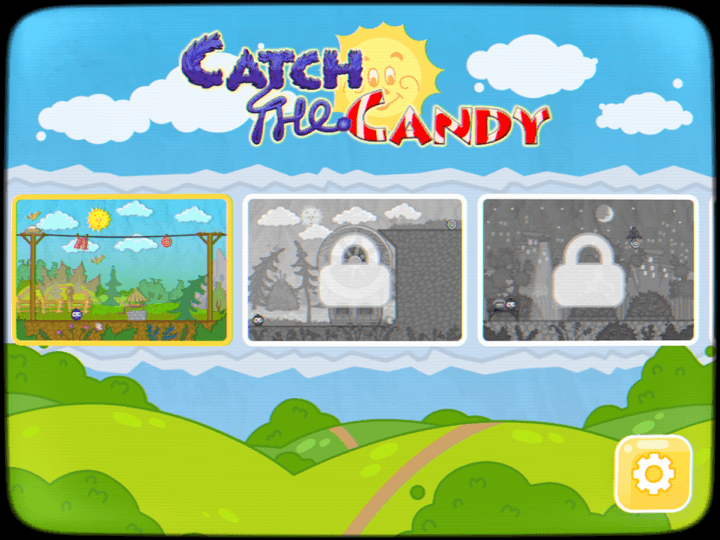
Catch the Candy
Catch the Candy is a friendly physics puzzle about using a stretchy grabber to pull a small character toward candy. Good attempts come from choosing anchor points carefully, using momentum, and reaching the candy with fewer wasted pulls.
A physics puzzle with clear object movement and compact problem-solving rounds.
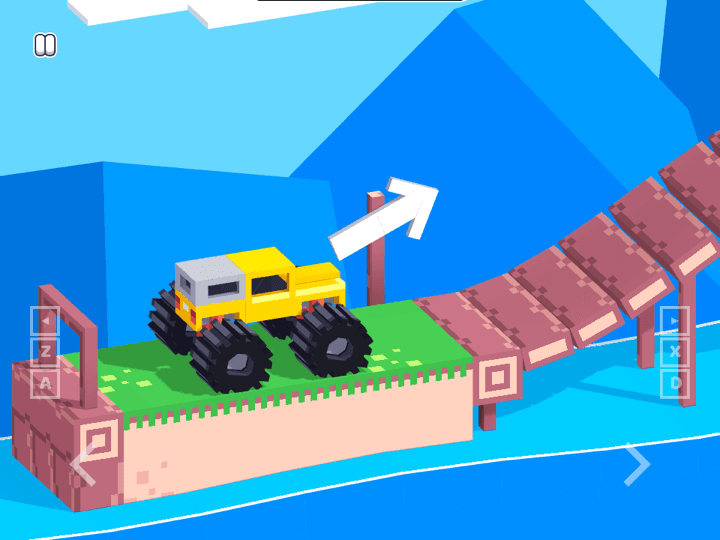
Drive Mad
Drive Mad is a physics driving challenge where the hard part is not raw speed. Each level asks you to control throttle, rotation, landing angle, and vehicle balance with very small inputs, so the best runs feel more like careful puzzle solving than racing.
A browser timing challenge that rewards balance, patience, and repeated attempts.
Frequently Asked Questions
- What is the basic Popcorn game?
- The common ball version is a toss-and-clap activity: throw a soft object up, clap before catching it, and add a clap after each successful attempt. Some classrooms use “Popcorn” for a separate standing-and-number cooperation game.
- How many claps do you do in the Popcorn game?
- Start with one clap. After a successful catch, add one clap on the next attempt. The group can choose a fixed target, a best score, or a reset-to-one rule after a miss.
- What happens when you miss the ball?
- Agree before starting. For practice, repeat the same target. For a competitive round, record the best completed count or reset the next attempt to one clap.
- Can you play Popcorn in a classroom?
- Yes, with a soft object and enough space. You can also use the no-ball classroom variation where students stand randomly and say consecutive numbers; simultaneous movement resets the count.
- Is Popcorn the same as Pass the Popcorn?
- No. Pass the Popcorn is a separate movie-clue board game with cards and tiles. This page separates those product rules from the ball and classroom activities.
Switch from a physical group activity to a quick, source-labelled browser challenge.
Related Guides
Official & Reference Links
Use these external links to verify the game source and creator context; they do not imply a commercial partnership with Luma.
- Playworks Popcorn game instructions →
Primary source for the ball-and-clap rules, player count, timing, and object variations.
- Mattel Pass the Popcorn instructions →
Official product manual used only to distinguish the movie-clue board game from the activity.
- Drama Trunk classroom Popcorn →
Reference for the separate standing-and-number cooperative drama variation.