Luma Game Guide
How to Play Dominoes: Basic Rules and Practice
A source-labelled beginner guide with an original interactive trainer for reading the two open ends of a domino chain.
Quick answer
Quick answer: match one open end
Start a chain with any tile when the table is empty. After that, place a tile at the left or right end only when one of its pips matches the exposed number on that end. You may turn a tile around; the pip touching the chain must match. Doubles still expose their number, and the exact draw, pass, and scoring rule depends on the dominoes variant being played.
- Read the left and right exposed pips before choosing a tile.
- A tile can be rotated; orientation is not a reason to reject a match.
- When no tile fits, follow the table rule instead of inventing a universal pass rule.
Luma rules trainer
Learn the domino chain one decision at a time
Work through eight fixed positions. Pick a tile, choose an open end, and use the feedback to build a reliable first read of the board.
Position
1/8
Attempts
0
Correct
0
Read both open ends
The board is ready when you are.
Board
This is an original practice tool. Table rules vary by dominoes game, especially when no tile fits.
Most beginner dominoes turns become easier when you reduce them to one question: which pip is exposed on the end where you want to play? This guide uses the common matching-chain idea, then calls out where named table variants can change the draw, pass, and scoring rules.
The practice tool below contains eight fixed positions rather than a full competitive table. It is designed to teach the first decision loop: read the ends, scan the hand, rotate the tile if needed, and choose the side that matches.
The first turn: read the board before your hand
Look only at the two exposed ends of the chain. The pips in the middle no longer accept a connection, so scanning every number on the table can make a legal move look harder than it is. Say the two active numbers to yourself, then look for those numbers in your hand.
- Name the left end and the right end in order.
- Check every tile for either active number.
- Choose the side before placing the tile so the move has a clear reason.
Rotate tiles and read doubles correctly
A 2-6 tile can connect to an exposed 2 or an exposed 6. Rotate it so the matching pip touches the chain. A double such as 4-4 still contributes the number 4 to the open end; whether a specific game treats doubles as crosswise spinners is a variant rule that should be agreed before play.
- Do not reject a tile because the matching pip is on the “wrong” half.
- Treat a double as its pip value for this beginner exercise.
- Keep special double rules separate from the basic matching rule.
A reliable four-step turn
Use the same sequence every time: read both ends, scan the hand, choose the matching side, then rotate and place the tile. This reduces rushed moves and makes it easier to explain why a move is legal. In a real game, use the published rules for the named variant before applying a scoring strategy.
- Step 1: identify the two exposed pips.
- Step 2: mark every tile that contains either pip.
- Step 3: prefer a legal side you can explain clearly.
- Step 4: update the new exposed pip after the placement.
What happens when nothing fits?
There is no single answer for every dominoes game. Some draw games require a player to draw until a playable tile appears or the boneyard is empty; blocking games may let the player pass. Confirm the table name, player count, draw pile, and scoring method before the first round. This page does not present one house rule as universal.
- Ask whether the game is a draw game or a blocking game.
- Confirm whether one tile or multiple tiles may be drawn.
- Confirm how a blocked round is scored before playing for points.
Common beginner mistakes
The most common error is matching a number in the middle of the chain instead of an exposed end. Other mistakes are forgetting that tiles can rotate, choosing a tile before choosing a side, and assuming that every version uses the same draw or double rule. Slow down until the basic read becomes automatic.
- Middle pips do not create new playable ends.
- A legal tile can still be placed on the wrong side.
- A familiar house rule is not automatically the official rule of another variant.
A short practice routine
Run the trainer once without chasing speed. For each position, say the active ends aloud, select one matching tile, and explain why the side works. Then repeat the positions and try to reduce unnecessary attempts. The goal is a repeatable read, not a high score or a simulated full table.
- Round one: use the hint whenever the active end is unclear.
- Round two: read the ends before touching a tile.
- Round three: explain each legal move in one sentence.
Use the named rules for a full game
For a complete round, use a rules source that matches the game you intend to play. Pagat’s dominoes basics reference describes common matching and variant concepts, but it is still important to verify the table’s player count, draw procedure, scoring, and regional conventions. Luma’s trainer is a learning aid, not a replacement for the rules of a specific set.
Featured Picks
Each recommendation opens a browser player from its detail page with no download required.
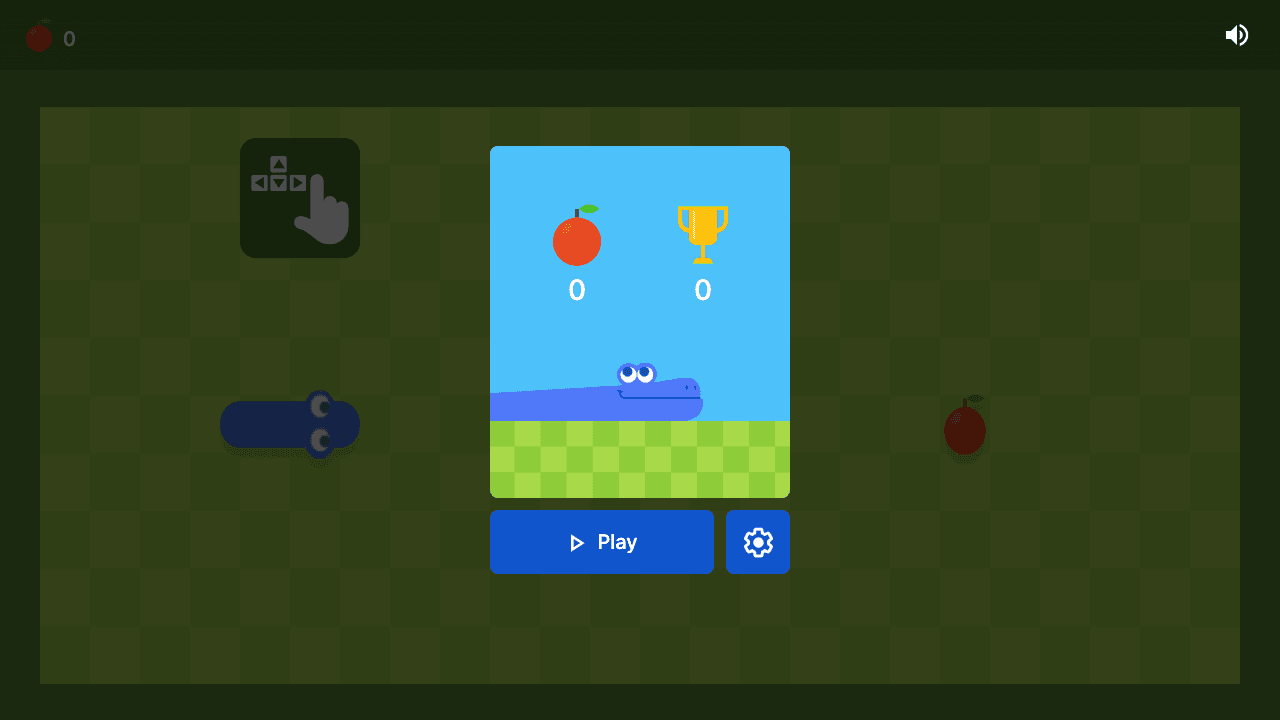
Google Snake
Google Snake is a classic snake-style browser game built around route planning. The score improves when you think one turn ahead and keep escape lanes open.
A quick score-chasing browser game when you want a short solo session.
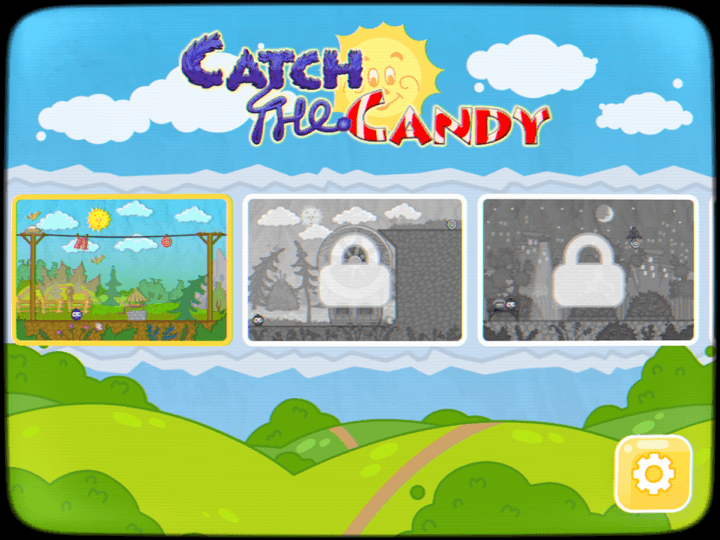
Catch the Candy
Catch the Candy is a friendly physics puzzle about using a stretchy grabber to pull a small character toward candy. Good attempts come from choosing anchor points carefully, using momentum, and reaching the candy with fewer wasted pulls.
A compact physics puzzle that rewards reading the active object and planning one move ahead.
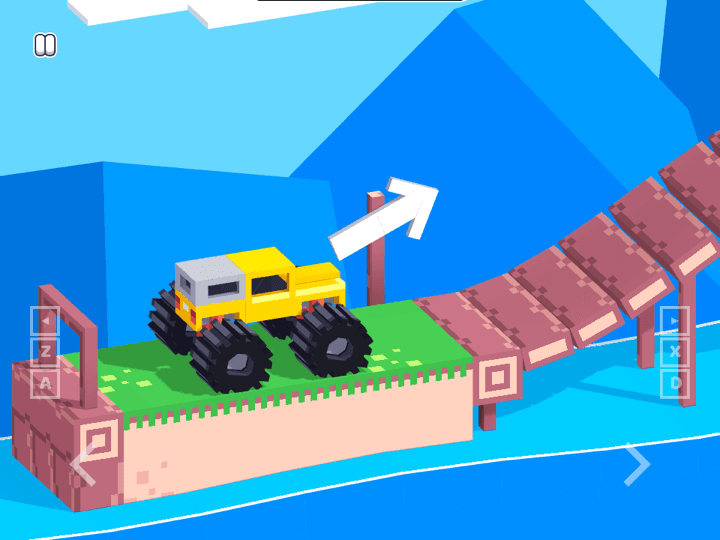
Drive Mad
Drive Mad is a physics driving challenge where the hard part is not raw speed. Each level asks you to control throttle, rotation, landing angle, and vehicle balance with very small inputs, so the best runs feel more like careful puzzle solving than racing.
A timing and balance challenge for players who prefer repeated precision attempts.
Frequently Asked Questions
- What is the basic rule of dominoes?
- In a common matching-chain game, place a tile at an open end when one of its pips matches the exposed pip on that end. The tile may be rotated. Draw, pass, doubles, and scoring rules vary by named variant.
- Can you turn a domino tile around?
- Yes. A tile can be rotated so the matching pip touches the chain. The two values on the tile stay the same; only its orientation changes.
- What if I cannot play a domino?
- Check the table rules. A draw game may require drawing from the boneyard, while a blocking game may allow a pass. There is no single universal procedure.
- Are doubles special in dominoes?
- Often, but the exact treatment differs. This beginner trainer reads a double by its pip value; a specific game may define extra placement or scoring rules.
Try another short browser challenge after the rules practice.
Related Guides
Official & Reference Links
Use these external links to verify the game source and creator context; they do not imply a commercial partnership with Luma.
- Pagat: Dominoes basics →
Reference for common matching-chain mechanics and differences between dominoes variants.
- Encyclopaedia Britannica: dominoes →
Background reference for the tile set and broad game context; check the named table rules separately.